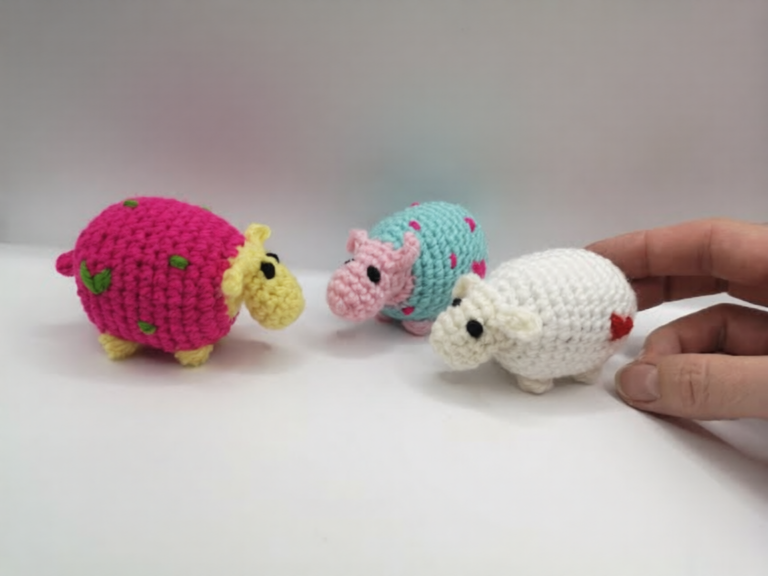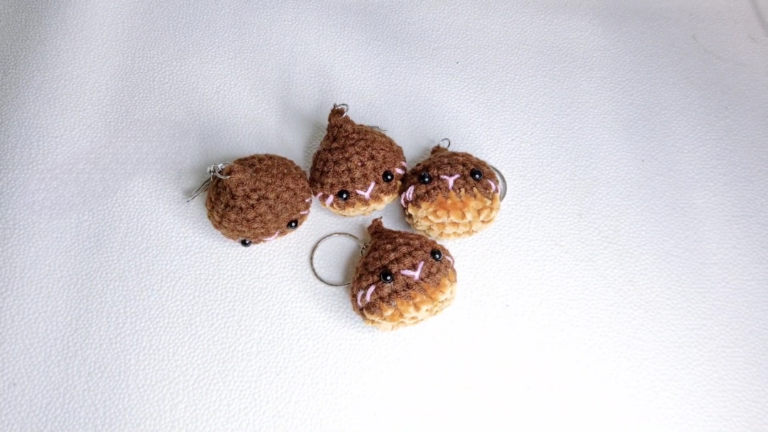
Wonderful Crochet Stuffed Heart Keychain Amigurumi Pattern
Discover the Wonderful Crochet Stuffed Heart Keychain Amigurumi Pattern. A sweet, quick way to make heartfelt gifts. With simple stitches and vibrant charm, beginners succeed fast; plus, it’s perfect for Valentine’s favors, bag bling, and last-minute craft market boosts.
The Wonderful Crochet Stuffed Heart Keychain Amigurumi Pattern is a sweet, speedy make that turns scrap yarn into a plump, photo-ready charm. With clear steps and simple stitches, beginners finish fast; meanwhile, seasoned crocheters will love the neat shaping and minimal sewing.

Because it works in any color, you can customize sets for gifts, markets, or party favors; plus, the compact size makes batching effortless. Finally, the sturdy loop and smooth stuffing ensure a durable, squeeze-friendly heart that brightens every day.
uses:
- Bag, backpack, or keyring charm
- Last-minute Valentine, thank-you, or teacher gift
- Market-ready add-on or bundle filler
Wonderful Crochet Stuffed Heart Keychain Amigurumi Pattern
Because handmade details make everyday life sweeter, this Wonderful Crochet Stuffed Heart Keychain Amigurumi Pattern gives you a fast, adorable, and beginner-friendly project you can finish in a single sitting. Moreover, the heart works beautifully in any color, attaches neatly to a key ring, and looks polished enough for gifting or market stalls. Additionally, the steps are simple, the shape is tidy, and the sewing is minimal, so you can relax and enjoy the process. Furthermore, if you prefer visuals, you can reference the video link above for extra inspiration, then follow the clear instructions below for a smooth, repeatable finish.
What You’ll Make (Size, Feel, and Finish)
- Finished heart (without hardware): approximately 5–6 cm wide x 5.5–6.5 cm tall (2–2.4 in x 2.2–2.6 in)
- Total drop with ring/clasp: approximately 9–11 cm (3.5–4.25 in)
- Texture and density: snug, smooth, and gap-free for a professional amigurumi look
- Use: keyring charm, bag or backpack accessory, gift topper, or market bundle
Because the design is compact yet plump, the heart keeps its shape while staying comfortably squeezable. Consequently, it’s ideal for everyday use.
Materials (Exact Measurements and Options)
Choose cotton for durability; however, you can swap to acrylic if desired.
- Yarn (choose one):
- 100% cotton DK (Light/#3): 6–8 g per heart (about 14–20 m / 15–22 yds)
- 100% cotton worsted (Medium/#4): 8–12 g per heart (about 13–22 m / 14–24 yds)
- Hook:
- DK cotton: 3.0 mm crochet hook
- Worsted cotton: 3.5 mm crochet hook
- Fiberfill stuffing: 2–3 g (a small, fluffed handful)
- Keychain hardware:
- Split key ring: 25–32 mm (1–1.25 in)
- Optional lobster clasp: 12–16 mm
- Optional jump ring: 4–6 mm
- Optional short chain: 5–8 cm (2–3 in)
- Tapestry needle: blunt tip (for weaving ends and shaping)
- Stitch marker: removable (to mark the first stitch of each round)
- Scissors: sharp (for clean cuts)
- Optional embellishments:
- Embroidery floss (black/white/pink): 40–60 cm total for a tiny face or accents
- Satin ribbon (3–5 mm wide): 10–12 cm for a bow
- Tiny bell or charm: 6–10 mm, lightweight
- Fabric glue: a tiny dot, if you prefer no-sew embellishments
Skill Level
Beginner-friendly. Because the pattern uses only single crochet, increases, and invisible decreases, you will progress confidently even if this is your first amigurumi.
Stitches and Abbreviations (US Terms)
- MR = magic ring
- ch = chain
- sl st = slip stitch
- sc = single crochet
- inc = increase (2 sc in the same stitch)
- dec = invisible decrease (sc2tog using front loops only)
- BLO = back loop only (optional technique for subtle ridges)
- FO = fasten off
Tip: Because amigurumi looks best with firm fabric, keep a slightly tighter tension so stuffing does not peek through.
Gauge and Sizing Notes
Although the exact gauge is flexible, a tight, even fabric is crucial for a polished finish.
- Approximate gauge with worsted cotton and 3.5 mm hook: 16–18 sc across 10 cm (4 in) in rows
- After Lobe Round 3 (18 sts), your circle should measure about 3.2–3.6 cm (1.25–1.4 in) in diameter.
- If you see gaps, go down 0.5 mm in hook size; if it feels overly stiff, go up 0.5 m.m
At-a-Glance Timeline
- Lobe A: 8–10 minutes
- Lobe B: 8–10 minutes
- Join Lobes: 4–6 minutes
- Body Shaping and Decreasing: 12–15 minutes
- Stuff, Close, and Shape: 5–7 minutes
- Add Loop and Hardware: 5–7 minutes
- Optional Embellishments: 5–10 minutes
Total estimated time: 47–65 minutes per keychain, depending on pace and embellishments
Step-by-Step Instructions (With Clear Timing)
Because the heart is symmetrical, you will crochet two identical lobes, join them, then decrease to the point.
Lobe A: First Heart Lobe (Time: 8–10 minutes)
Because consistent counts matter, place a marker in the first stitch of every round and move it as you go.
- Round 1: MR, 6 sc into the ring; pull the tail snug. (6)
- Round 2: inc around. (12)
- Round 3: [sc, inc] around. (18)
- Round 4: sc around. (18)
- Round 5: sc around; then sl st into the next stitch to create a crisp edge. (18)
- Finish: FO, leaving a long tail (20–25 cm / 8–10 in). Set aside for later. You will use this tail to close the tiny gap between lobes and to define the top cleft neatly.
Tip: Because the magic ring can loosen over time, weave the starting tail around Round 1 once more and gently cinch it again.
Lobe B: Second Heart Lobe (Time: 8–10 minutes)
Similarly, repeat Lobe A. However, do not cut the yarn at the end.
- Round 1: MR, 6 sc. (6)
- Round 2: inc around. (12)
- Round 3: [sc, inc] around. (18)
- Round 4: sc around. (18)
- Round 5: sc around; do not sl st and do not FO. (18)
Join the Two Lobes (Time: 4–6 minutes)
Next, you will join Lobe B (with yarn still attached) to Lobe A.
- Join Round: sc 18 around Lobe B; then bring in Lobe A and sc 18 around it. Place a stitch marker in the first stitch of this round to mark your new beginning. (36)
- Stabilize: sc around once more to secure the join and even the edge. (36)
Note: Because a small hole can appear where the lobes meet, you will close that gap using the long tail from Lobe A during finishing.
Shape the Heart, Body,ody and Taper to the Point (Time: 12–15 minutes)
Now you will decrease gradually. Meanwhile, begin stuffing as you taper.
- Decrease Round 1: [4 sc, dec] x6. (30)
- Decrease Round 2: [3 sc, dec] x6. (24)
- Decrease Round 3: [2 sc, dec] x6. Begin adding a small amount of stuffing. Distribute evenly into both lobes, gently pressing outward to maintain roundness. (18)
- Decrease Round 4: [sc, dec] x6. Add more stuffing; smooth and shape as you go. (12)
- Decrease Round 5: dec around. Add the final tufts of stuffing now so the heart feels plump, not rigid. (6)
Tip: Because overstuffing stretches stitches, add fiberfill in small layers and rotate the heart as you work. Consequently, the surface stays smooth and symmetrical.
Close, Sculpt, and Secure (Time: 5–7 minutes)
Finally, finish the opening and define the heart’s point.
- Closing: Cut yarn, leaving a 15–20 cm (6–8 in) tail; FO. Thread the tail onto a tapestry needle, then weave through the front loops of the last 6 stitches. Pull gently to cinch closed.
- Sculpting the Point: Insert the needle through the point and exit near the top center. Then tug lightly to sharpen the tip; take a tiny backstitch to lock the shape; and weave the tail back into the body.
Define the Top Cleft and Close the Lobe Gap (Time: 2–3 minutes)
Now use Lobe A’s long tail to perfect the top dip.
- Cleft Stitch: Bring the tail from back to front precisely between the two lobes. Take a small horizontal stitch across the center, then return to the back. Snug gently to accentuate the cleft; secure with a hidden knot and weave in the end.
Add the Hanging Loop and Attach Hardware (Time: 5–7 minutes)
Choose a loop style based on your hardware. Because keychains get constant use, secure all ends thoroughly.
A: Crocheted Loop
- Step 1: Join yarn at the top center between lobes; ch 6 (DK) or ch 5 (worsted).
- Step 2: Sl st back into the same spot to form a sturdy loop; FO and weave in ends.
- Step 3: Slide a 25–32 mm split ring through the loop; optionally add a lobster clasp via a jump ring.
B: Reinforced Thread Loop
- Step 1: Double a strand of matching yarn or strong nylon thread.
- Step 2: Make 6–8 passes to form a small oval loop between the lobes; knot securely inside.
- Step 3: Attach a jump ring to this loop; then connect the split ring or clasp.
C: Short Chain Connector
- Step 1: Attach a 5–8 cm (2–3 in) chain to a jump ring.
- Step 2: Sew the jump ring into the top center seam with several sturdy passes.
- Step 3: Clip the chain’s other end to the key ring or bag ring.
Optional Embellishments (Time: 5–10 minutes)
Because tiny details add personality, try any of these quick accents.
- Embroidered Face: With black floss, add two seed-stitch eyes; with pink, add a petite V nose or blush dots. Secure threads firmly inside.
- Mini Ribbon Bow: Tie a small bow (10–12 cm ribbon), then stitch it between the lobes. Alternatively, use a tiny dot of fabric glue, and let it cure fully.
- Contrast Edge: Surface slip-stitch around one lobe in a second color for a dipped effect.
- Initial Monogram: Chain-stitch a single letter on the front for personalized gifts or market upsells.
Exact Pattern Recap (Compact Reference)
Because quick checklists help, here’s your condensed pattern flow.
- Lobe A:
- R1: MR 6 (6)
- R2: inc around (12)
- R3: [sc, inc] x6 (18)
- R4: sc (18)
- R5: sc, sl st, FO with 20–25 cm tail
- Lobe B:
- R1–R5: same as Lobe A, but do not FO
- Join and Shape:
- Join: sc 18 around Lobe B, sc 18 around Lobe A (36)
- Even: sc around (36)
- Dec 1: [4 sc, dec] x6 (30)
- Dec 2: [3 sc, dec] x6 (24)
- Dec 3: [2 sc, dec] x6 (18) + begin stuffing
- Dec 4: [sc, dec] x6 (12) + add stuffing
- DecDec dec around (6) + close and sculpt
- Finish:
- Stitch cleft; weave all ends
- Add a loop and hardware
- Embellish as desired
Basic Tips for Beginners
- Keep Tension Firm: Because amigurumi needs dense fabric, hold the yarn slightly tighter than usual. Consequently, the stuffing stays hidden, and the shape looks crisp.
- Move Your Marker: Additionally, always move the stitch marker to the first stitch of each round. Therefore, your counts remain accurate,e and your join lines stay neat.
- Stuff Gradually: Furthermore, add small pinches of fiberfill at a time. As a result, the surface remains smooth instead of lumpy.
- Shape While You Work: Meanwhile, rotate the heart in your hands and pinch the point lightly after each decrease round. Consequently, the silhouette stays balanced.
- Hide Ends Inside: Finally, weave tails through the stuffing and out a different stitch; then snip with a small tug so the end retracts inside.
Common Mistakes (And Simple Fixes)
- Ruffled Lobes: Usually, you’ve added extra stitches. Therefore, recount at the end of each round. If the total is too high, remove the extra stitch in the next round with an invisible decrease.
- Visible Gaps: Often,n the hook is too large, or the tension is loose. Consequently, switch to a smaller hook by 0.5 mm or gently tighten your hold and try again.
- Off-Center Cleft: Sometimes lobes twist during the join. Therefore, align both starting markers before joining, and later use the Lobe A tail to stitch the cleft and center everything neatly.
- Blunt Heart Point: Frequently,tly the final cinch isn’t tight enough. Consequently, use the front-loop-only gather to close, then sculpt with one or two tiny anchoring stitches to sharpen the tip.
- Wobbly Hanging Loop: If the loop stretches, reinforce it with extra passes or switch to a short chain connector. Moreover, avoid attaching hardware to a single thread strand.
Why This Construction Works
Because each lobe is built as a tidy cup, the top of the heart becomes full without bulk at the center. Additionally, the staged decreases create a smooth curve that narrows gradually, which avoids abrupt angles and puckers. Consequently, the shape looks clean from every side. Furthermore, cotton yarn and firm stitches keep the surface crisp, the stuffing contained, and the keychain durable in pockets and bags.
Variations You’ll Love
- Tiny Zipper Pull: Stop each lobe at Round 3 (18 sts), join as written, then work only Decrease Rounds 1–3. Consequently, you’ll get a petite heart perfect for jackets and pencil cases.
- Two-Tone Dipped Heart: Work the lobes in Color A, then switch to Color B at Decrease Round 1. As a result, the base looks dipped and trendy.
- Stripe It: Change color every other round on the lobes. Additionally, carry the unused yarn up inside the heart to avoid excessive ends.
- Ombre Fade: Start light on the lobes, move to medium at the join, and finish darkest at the point. Consequently, the heart appears deeper and more dimensional.
- Scented Sachet: Enclose a pinch of dried lavender in a small mesh square and tuck it inside before closing. Therefore, your bag charm doubles as a subtle refresher.
- Sparkle Thread: Hold a strand of metallic sewing thread with your yarn for the last two decrease rounds. Moreover, this adds shimmer without scratchiness.
Safety and Care
- For Children: Avoid small parts for babies and toddlers. If gifting to kids, skip bells and use embroidered details instead of glued embellishments.
- Cleaning: Hand-wash gently in cool water with mild soap. Then press in a towel and air-dry flat. Finally, roll the heart between your palms to restore shape and pinch the cleft.
- Long-Term Durability: Because keychains endure friction, check the loop and hardware periodically. If needed, add a few reinforcing stitches.
Troubleshooting (Fast Reference)
- Uneven Lobes: Recount to confirm each lobe ends at 18 stitches before joining. If not, redo the last round.
- Messy Join: Insert the hook cleanly into the next stitch when transitioning from Lobe B to Lobe A. Then use Lobe A’s tail later to ladder-stitch any visible gap.
- Leaning Heart: Redistribute stuffing evenly, especially into both lobes. Additionally, add one tiny sculpting stitch through the point to re-center the shape.
- Visible Magic Ring Hole: Weave the starting tail around Round 1 and cinch again; then secure the tail to lock it.
Beginner Confidence Boosters
Because momentum helps, set a 10-minute timer for each stage. First, complete Lobe A; then, celebrate. Next, make Lobe B; then, celebrate again. Furthermore, choose bright yarn so stitches are easy to see and photograph. Likewise, keep a spare stitch marker nearby for quick pauses. Finally, snap a photo after stuffing because a quick picture often reveals symmetry issues your eyes might miss.
Packaging and Gift Ideas For ( Crochet Keychain Amigurumi )
- For Markets: Group sets of two or three hearts in coordinating colors on kraft tags with your logo. Consequently, your display feels cohesive and premium.
- For Gifting: Add an initial or tiny bow, then slip the heart into a small organza bag. Additionally, include a handwritten care note for a thoughtful touch.
- For Fundraisers: Because hearts have universal appeal, bundle a rainbow set; alternatively, create seasonal themes (pastels for spring, brights for summer, jewel tones for winter).
FAQ (SEO-Friendly) For ( Crochet Keychain Amigurumi )
- Can absolute beginners follow this crochet heart keychain pattern? Yes. Because it uses sc, inc, and invisible dec only, the steps are straightforward.
- Which yarn is best for a keychain? 100% cotton DK or worsted. Consequently, the charm resists fuzz and holds its shape.
- How long does one heart take? Typically 47–65 minutes, including assembly and embellishments.
- Do I need safety eyes? No. Instead, opt for embroidery or leave the heart plain for a sleek look.
- May I sell the finished items? Yes, you may sell what you make. However, please credit the pattern as “Wonderful Crochet Stuffed Heart Keychain by [Your Name].”
Mini Tutorial: Invisible Decrease (For a Smooth Finish)
Because neat decreases matter, try the invisible decrease method.
- Insert hook into the front loop of the next stitch; then into the front loop of the following stitch.
- Yarn over and pull through both front loops; yarn over again and pull through two loops on the hook.
Consequently, the decrease blends seamlessly without bumps.
Optional Enhancement: BLO Ridge
If you prefer a subtle decorative ridge before the decreases:
- Work one even round in BLO immediately after the join. Then continue to decrease as written.
As a result, you’ll get a gentle “seam” that frames the top of the heart.
Sustainability Tip
Because this project is a great stash-buster, use leftover cotton bits for stripes or color-blocked hearts. Furthermore, repurpose existing key rings from old lanyards to reduce waste.
Final Thoughts For ( Crochet Keychain Amigurumi )
Because small, meaningful makes are the heart of crochet, this Wonderful Crochet Stuffed Heart Keychain Amigurumi Pattern gives you a quick, customizable, and polished project you’ll return to again and again. Moreover, the clear steps, the included timing, and the beginner-ready techniques ensure reliable results. Consequently, you can craft a basket of hearts for gifts, markets, fundraisers, or simply for everyday joy. Finally, for extra inspiration, visit the URL above; then come back to these directions for an easy, repeatable finish every time.