Exceptional Crochet Chubby Cinnamoroll Amigurumi Pattern
Discover the Exceptional Crochet Chubby Cinnamoroll Amigurumi Pattern, beginner-friendly, irresistibly handmade, and perfectly plush. Follow clear, step-by-step instructions to stitch a cuddly kawaii keepsake that displays beautifully and makes a heartfelt, gift-ready surprise for fans and friends.
Soft, chubby, and irresistibly kawaii, the Exceptional Crochet Chubby Cinnamoroll Amigurumi Pattern turns simple stitches into a huggable friend. Rounded cheeks, floppy ears, and a squishy silhouette create instant charm, while beginner-friendly rounds, clear shaping, and minimal sewing keep things relaxing.

Follow step-by-step instructions to finish a tidy, gift-ready plush with expressive details. Make a mini for a keychain or bag charm, or size up for sweet nursery décor or a cheerful desk companion perfect for Sanrio fans, crochet beginners, and anyone who adores handmade cuteness.
Exceptional Crochet Chubby Cinnamoroll Amigurumi Pattern
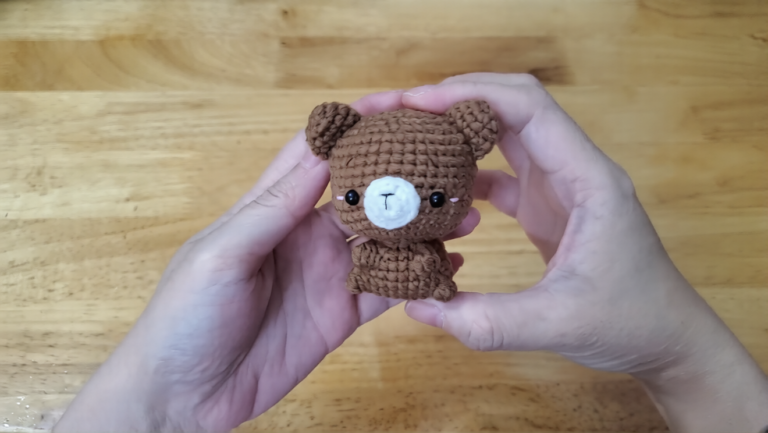
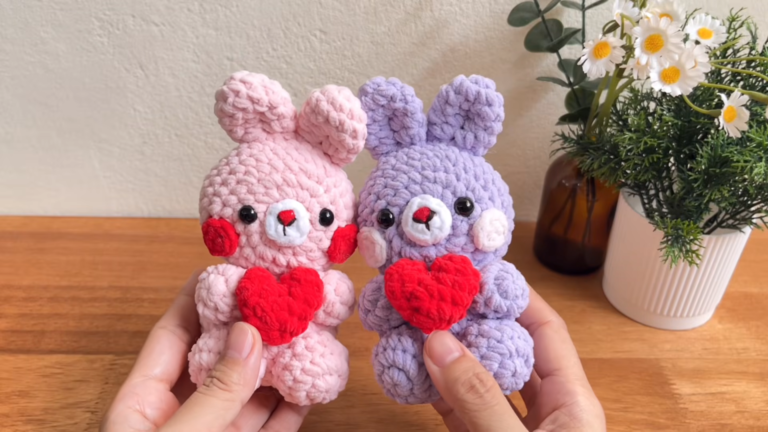
Soft, round, and cheerfully cuddly, this chubby Cinnamoroll amigurumi pattern turns simple stitches into a heart-melting plush. Because the design uses only single crochet, basic increases, and gentle decreases, beginners feel comfortable right away. Meanwhile, the adorable proportions—puffy body, floppy ears, and a sweet little swirl tail deliver instant kawaii charm. First, the body works up as a smooth, squashy shape; next, the ears add that iconic, cloud-like silhouette; and finally, neat facial embroidery brings the expression to life. Moreover, this project doubles beautifully as a gift, nursery accent, or desk buddy, and it also scales down easily for a keychain version.
Necessary Materials
- Yarn:
- Main: White, worsted-weight (Category 4) cotton or cotton-blend, approximately 55–65 g for a 16–18 cm plush. Consequently, one 100 g ball is more than enough for a full-size version plus a mini.
- Details:
- Light blue embroidery thread or 1–2 m of DK yarn (for eye shine if embroidering instead of safety eyes). As an alternative, a tiny bit of felt can create a highlight.
- Soft pink embroidery thread or 1–2 m of DK yarn (for blush/cheeks and mouth). Additionally, pastel fabric-safe blush works for a soft gradient.
- Beige or pale tan embroidery thread, 1 m (for the tail swirl detail).
- Hook:
- 3.25 mm (D) hook for worsted yarn (tight amigurumi gauge). Otherwise, use 3.0 mm if stitches look loose.
- Optional: 2.75 mm (C) hook if switching to DK yarn or if an extra-tight fabric is preferred.
- Safety eyes:
- 8 mm for a small plush (12–14 cm tall).
- 10 mm for a larger plush (16–18 cm tall). Alternatively, embroider the eyes for a baby-safe option.
- Stuffing:
- High-loft polyester fiberfill, approximately 30–40 g for the larger size. For even results, fluff the fiberfill before using.
- Notions:
- Stitch marker (or scrap yarn) to mark the first stitch of each round; consequently, counting stays accurate.
- Yarn needle (blunt tapestry needle) for sewing parts and weaving ends.
- Straight pins or clips for placement.
- Scissors.
- Optional accessories:
- Keychain ring and short chain (for mini versions).
- Tiny ribbon for a bow or collar.
- Soft blush or fabric-safe pastel for cheek shading (if not embroidering).
- Fabric glue (for securing knots and optional felt features—use sparingly).
Because amigurumi relies on a firm fabric, choose a hook small enough to prevent gaps; however, do not strain your hands. As a result, stitches look smooth, and stuffing stays hidden.
Skill Level
Beginner/Easy.
Only single crochet (sc), increases (inc), and decreases (dec) are used. Therefore, no advanced shaping is required, and sewing remains minimal. Furthermore, the pieces are small and repetitive, so confidence grows quickly.
Making Time (Overview)
- Total time: approximately 4.5–6 hours (depending on size and pace). As a guide, beginners may enjoy a relaxed weekend.
- Body: 1.5–2 hours
- Ears (2): 35–45 minutes each
- Arms (2): 15–20 minutes each
- Tail: 15–20 minutes
- Accessories/Details: 10–20 minutes
- Face & Assembly: 30–45 minutes
First, gather materials and set aside a comfortable workspace; next, prepare stitch markers and stuffing in reach; and finally, keep a small bowl nearby for safety eye washers and tiny notions. Consequently, the entire process flows smoothly.
Step-by-Step Instructions
All parts are worked in continuous rounds unless noted. Therefore, insert a stitch marker at the first stitch of each round and move it up as you go. Keep tension snug so stuffing does not show through; however, relax hands to prevent fatigue. For a softer look, avoid overstuffing the ears and arms.
Body
Making time for this part: 1.5–2 hours
- Shape the head and upper body
- Round 1: Magic ring (MR) with 6 sc (6).
- Round 2: inc around (12).
- Round 3: (sc, inc) x6 (18).
- Round 4: (2 sc, inc) x6 (24).
- Round 5: (3 sc, inc) x6 (30).
- Round 6: (4 sc, inc) x6 (36).
- Round 7: (5 sc, inc) x6 (42).
- Round 8: (6 sc, inc) x6 (48).
- Rounds 9–14: sc around (48) for six rounds to build a chubby crown and forehead.
Tip: Although safety eyes will be placed later, note that round 11–12 is usually a good height for eye placement. Consequently, planning helps the expression land perfectly.
- Taper into the belly.
- Round 15: (6 sc, dec) x6 (42).
- Round 16: sc around (42).
- Round 17: (5 sc, dec) x6 (36).
- Round 18: (4 sc, dec) x6 (30).
- Round 19: sc around (30) to settle the shape.
Meanwhile, begin stuffing gently, focusing on the top first and keeping the silhouette smooth. In addition, rotate the piece while stuffing; as a result, the fiber distributes evenly without lumps.
- Close the base neatly.y
- Round 20: (3 sc, dec) x6 (24).
- Round 21: (2 sc, dec) x6 (18).
- Round 22: (sc, dec) x6 (12).
- Round 23: dec around (6).
Fasten off and weave through the front loops of the remaining 6 stitches to close. Then, add a last bit of stuffing before tightening, ensuring the base is round and stable. Finally, secure the end and tuck it inside.
Optional flat-sit trick: For a plush that sits more securely, work one round in back loops only (BLO) at Round 19, then continue as written. Later, gently press the base so it becomes slightly flatter; consequently, the plush perches neatly on shelves and desks.
Additional Parts
Making time varies by piece; see each section below. Because each part finishes quickly, momentum stays hi,gh and motivation remains strong.
Ears / Arms / Wings
- Ears (make 2) — 35–45 minutes each
A flat, slightly tapered oval creates a floppy, cloudlike ear that drapes naturally.
- With white yarn, ch 9.
- Round 1 (work around the chain to form an oval): sc in 2nd ch from hook and next 6 (7 sc), 3 sc in last ch; continue along the other side of the chain with 6 sc; inc in the final space (17).
- Round 2: inc, 6 sc, inc x3, 6 sc, inc x2 (24).
- Round 3: sc, inc, 6 sc, (sc, inc) x3, 6 sc, (sc, inc) x2 (30).
- Round 4: sc around (30).
- Round 5: sc, dec, 6 sc, (sc, dec) x3, 6 sc, (sc, dec) x2 (24).
- Round 6: sc around (24).
Fasten off, leaving a long tail. Do not stuff. Instead, gently pinch one end when attaching to create a soft fold at the base. As a result, the ear droops in a cute, natural curve withoa ut wire.
- Arms (make 2) — 15–20 minutes each
Small, rounded arms keep the look sweet and simple.
- Round 1: MR 6 (6).
- Round 2: sc around (6).
- Round 3: (sc, inc) x3 (9).
- Rounds 4–5: sc around (9).
- Round 6: (sc, dec) x3 (6).
Stuff very lightly, flatten the opening, and whipstitch closed. Leave a tail for sewing. Because the arms remain soft, they sit nicely against the belly without bulk.
- Wings (optional, make 2) — 10–12 minutes each
For a whimsical, cloud-like touch, tiny wings can sit near the back. These are optional accents; however, they add a dreamy detail.
- With white yarn, ch 6.
- Row 1: sc in 2nd ch from hook, hdc in next, dc in next 2, hdc in next; ch 1, turn.
- Row 2: sc, hdc, dc, dc, hdc; ch 1, turn.
- Row 3: sc, hdc, dc, hdc, sc.
Fasten off, leaving a tail. This simple teardrop shape curves naturally; attach with the wider end toward the body. Consequently, the outline reads as a puffed little wing.
Accessories / Details (if applicable)
Making time: 10–20 minutes total
- Bow: With pastel yarn, ch 11; Row 1: hdc in 2nd ch and across (10); Rows 2–3: hdc across; fasten off. Wrap yarn tightly around the center to cinch into a bow. Then, tie a secure knot and weave in ends. Because the bow is flat, it sits neatly under the chin or on one ear.
- Keychain conversion: Before attaching the ears, thread a small metal loop or jump ring through the top head stitches; then secure a keychain ring. As a precaution, add a small felt circle inside the head under the ring for reinforcement.
- Tail swirl: After the tail is attached, embroider a neat spiral with beige thread to suggest a cinnamon-roll curl. Keep stitches short and even; consequently, the swirl looks crisp and tidy.
Face & Assembly
First, plan the face before sewing the parts permanently. Pin the ears and arms, mark the eye spots, and step back to check balance. Next, attach parts in the following order for the cleanest result. Finally, embroider details and secure all ends.
- Eye placement
- For a 16–18 cm plush: place 10 mm safety eyes between Rounds 11–12, approximately 7–8 stitches apart.
- For a 12–14 cm plush: place 8 mm safety eyes between Rounds 10–11, about 6–7 stitches apart.
Before locking the washers, test several positions; moving eyes, even one stitch,h can change the expression dramatically. Consequently, a preview prevents regret later.
- Ear placement
- Pin the ears level with the eyes (or one round below for extra cuteness).
- Angle each ear slightly downward; then ladder stitch the pinched base to the head using the long tail.
- Secure with extra backstitches at the start and end of the ear seam for durability. As a result, the ears withstand handling without loosening.
- Arms and tail
- Sew the arms on either side of the belly, two to three rounds below the midpoint of the body.
- For the tail, position it centered on the lower back. If using the optional spiral strip (see below), roll the strip and stitch the coil in place, then embroider the beige swirl detail. Consequently, the back view looks just as adorable as the front.
Tail option (simple spiral):
- Ch 20; starting in the 2nd chfrom them hook, work 2 sc in each ch across. The strip will spiral naturally. Roll into a bun shape and stitch firmly to the body. Finally, hide the end under the coil for a polished finish.
- Embroidered details
- Cheeks: With soft pink thread, add one or two small horizontal stitches under each eye; alternatively, lightly apply fabric-safe blush.
- Mouth: With pink or dark brown thread, embroider a tiny curved smile between the cheeks, slightly below the center. Use short, gentle backstitches to keep the curve smooth.
Finally, weave all ends securely inside the body, tugging gently to settle knots. Therefore, the exterior remains clean and snag-free.
Beginner-friendly tips:
- Keep embroidery stitches short; long stitches can snag.
- Use a second pin for each cheek to ensure symmetry before stitching.
- If a knot slips, add a tiny dab of fabric glue to anchor it, then tuck it under nearby stitches. Consequently, details remain neat over time.
Special Features
- Chubby silhouette: The generous head-to-body ratio creates an instantly endearing look. Moreover, the rounded base helps the plush sit upright.
- Floppy, cloudlike ears: Flat ovals with soft tapering drape beautifully without wire; as a result, the silhouette stays soft and cozy.
- Minimal stitch vocabulary: Only sc, inc, and dec are needed, so learning stays stress-free; therefore, this amigurumi suits true beginners.
- Tail swirl: A small spiral and delicate beige embroidery nod to the “cinnamon roll” charm, which subtly reinforces the theme.
- Clean finish: Invisible decreases and careful stuffing help maintain a smooth, photo-ready surface. Consequently, the plush looks store-bought, even though it is handmade.
Sizing Tips
- Yarn weight matters:
- DK (Category 3) with a 2.75–3.0 mm hook yields a plush around 12–14 cm tall.
- Worsted (Category 4) with a 3.25–3.5 mm hook yields a plush around 16–18 cm tall.
- Bulky (Category 5) with a 4.0–4.5 mm hook can reach 20–22 cm or more.
- Hook selection:
- Choose the smallest hook that still allows smooth stitching without hand strain; too-large hooks cause gaps. Consequently, a smaller hook often produces a cleaner fabric.
- Stuffing density:
- For a chubby shape, add stuffing gradually; then press and roll the body in both hands to even out lumps. As a result, the silhouette remains round and even.
- Proportion notes:
- If making a keychain mini, reduce the number of straight rounds (R9–12 instead of R9–14) to keep the shape compact. Similarly, shorten the ears by one growth round to retain balance.
Finishing Tips
- Use invisible decreases (work through the front loops of the next two stitches) to minimize bumps on decrease rounds. Therefore, the surface appears seamless.
- After closing the base, knead the plush gently to redistribute stuffing evenly. Then, smooth the exterior with fingertips to relax any uneven stitches.
- When sewing parts, use ladder stitch for seams that disappear; pull the yarn snugly but not so tight that it puckers. Consequently, joints look clean and strong.
- Hide knots inside the plush: bring the needle out a short distance away, tug lightly, and snip; the tail will retract under the fabric. As a result, no stray ends show.
- For an extra-neat look, steam-block lightly from a distance (do not touch the yarn with the iron), then let the plush dry thoroughly. Finally, fluff the ears and cheeks to restore softness.
Common Mistakes to Avoid
- Loose gauge: Gaps between stitches allow stuffing to peek through. Therefore, tighten the tension or switch to a smaller hook.
- Skipped increases/decreases: Losing track of rounds distorts the shape. Consequently, mark the first stitch of every round and count frequently.
- Overstuffing the ears: Too much stuffing makes them stiff and less expressive. Instead, leave ears unstuffed or very lightly padded.
- Asymmetrical placement: Ears, eyes, and arms can drift if not pinned. Hence, always pin and preview in good lighting before sewing.
- Rough embroidery: Long stitches and tight pulls kink the mouth curve. Rather, use short backstitches with gentle tension.
- Rushing assembly: Hurrying invites crooked seams. Instead, sew slowly and check alignment after every few stitches; as a result, everything stays straight.
Variations & Customization Ideas
- Color play:
- Classic white body with blue eyes and pink cheeks always looks sweet; however, pastel body tones (mint, lavender, baby blue) create a dreamy collection.
- For a seasonal twist, switch to soft snow-white with a red scarf for winter, or try spring pastels with tiny flower appliqués. Consequently, the same pattern suits many occasions.
- Expressions:
- Swap safety eyes for embroidered oval eyes with light blue thread, adding a tiny white highlight stitch for sparkle. Alternatively, stitch sleepy arcs for a napping pose.
- For extra charm, widen the eye spacing by one stitch; as a result, the face reads younger and cuter.
- Themed accessories:
- Add a satin bow, miniature backpack, or tiny scarf (ch 51, sc back for two rows). Additionally, a small bell on a ribbon creates a festive touch.
- Stitch a pocket-sized cupcake or cloud charm to hold; therefore, the hands appear to cuddle a prop.
- Size changes:
- To go mini, use sport-weight yarn and a 2.25–2.5 mm hook; reduce a few straight rounds in the body and skip Round 4 on the ears to keep proportions balanced.
- To size up, use bulky yarn and a 4.5 mm hook; however, insert a felt circle beneath the eye washers for added stability.
- Keychain upgrade:
- Attach a small swivel clasp at the top and reinforce the inside with a hidden felt circle under the top stitches for added strength. Consequently, daily use remains safe and secure.
Tutor Suggestions
- Start strong with a reliable magic ring: practice a few times so the center closes completely; otherwise, a small gap may appear on top of the head. Therefore, tighten the starting tail firmly.
- Count out loud or use tally marks at the end of each round; then pause briefly to check stitch totals. As a result, shaping stays accurate.
- Keep hands relaxed: Squeezing the hook or yarn too tightly leads to wrist fatigue and uneven tension. Instead, aim for consistent, steady movements.
- Pin parts in daylight if possible; color contrasts read more accurately, and symmetry becomes easier to judge. Consequently, placement improves.
- Test eye and ear placement several times; a one-stitch shift can turn the expression from shy to extra cheerful. Therefore, take a moment to preview from multiple angles.
- Take assembly slowly: first attach ears, next secure arms, then finish with the tail and facial embroidery. This order keeps the plush steady in hand and prevents smudging blush or misaligning details.
- Finally, celebrate the little wins and even rounds, a smooth decrease, or a perfectly placed cheek. With each stitch, confidence grows, and the next amigurumi becomes even more delightful.
Because this pattern emphasizes uncomplicated steps, smooth transitions, and cozy handfeel, the chubby Cinnamoroll amigurumi works beautifully for first-time makers and seasoned crocheters alike. First, choose yarn and hook; next, shape the body and add those floppy ears; meanwhile, plan the face placement; and finally, sew, embroider, and fluff. Soon, a charming handmade friend sits ready for gifting, decorating, or brightening everyday moments, proof that simple stitches can create something truly exceptional.