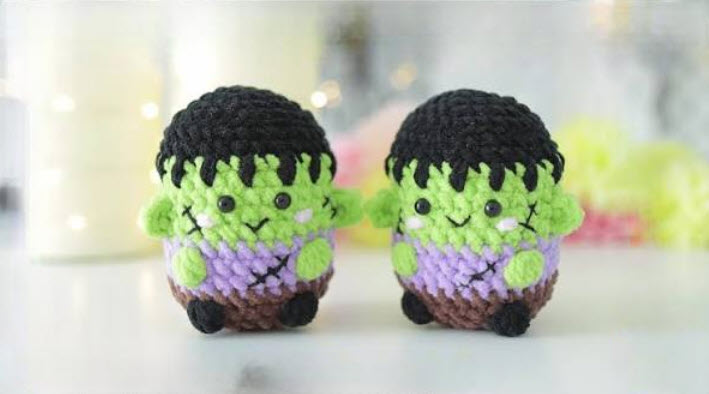
Incredible Crochet Kawaii Pompompurin Doll Amigurumi Pattern
Unleash pure kawaii with the Incredible Crochet Kawaii Pompompurin Doll Amigurumi Pattern quick, beginner-friendly stitches, plush textures, and charming accessories, transforming simple yarn into an instantly giftable, collectible cutie.
Bring irresistible cuteness to your hook with the Incredible Crochet Kawaii Pompompurin Doll Amigurumi Pattern. Designed for confident beginners, this step-by-step guide walks you through plush shaping, tidy color changes, and simple embroidery for that signature sweet face. Clear rounds, helpful photos, and minimal sewing make assembly a breeze, while optional accessories like a jaunty beret or tiny scarf add playful personality.

Work it up in DK or worsted yarn for a cuddly palm-size buddy or a huggable plush; either way, you’ll finish fast and smile faster.
Uses:
- Heartwarming gifts for kids and friends
- Desk or shelf decor that brightens any space
- Craft-market favorite with instant appeal
Incredible Crochet Kawaii Pompompurin Doll Amigurumi Pattern
Firstly, welcome to your new favorite cozy crochet project: an adorable, squishable, and beginner-friendly Kawaii Pompompurin amigurumi doll. Secondly, this cheerful plush is designed to be easy to follow, quick to assemble, and irresistibly cute on desks, beds, and bags. Moreover, the pattern includes exact measurements, clear steps, time estimates per section, and helpful notes to remove the guesswork from your making session. Additionally, you’ll find tips, common mistakes, and fun variations to personalize your plush in endless ways. Finally, let’s turn yarn into a heart-melting Pompompurin buddy you’ll be proud to gift, display, or keep forever.
Finished Size, Skill Level, and Timing
Firstly, the finished Pompompurin measures approximately 15–17 cm (6–6.75 in) tall when made with worsted-weight yarn and a 3.5 mm hook. Secondly, the skill level is confident beginner, assuming you know a magic ring, single crochet, increase, and invisible decrease in continuous rounds. Moreover, the total making time is roughly 4–6 hours, depending on your speed and stuffing style. Additionally, each major step includes an estimated time to help you plan your crafting session. Finally, if you switch yarn weight or hook size, your plush will scale up or down proportionally.
Gauge and Notes
Firstly, for a firm, plush fabric, aim for about 18–20 sc x 20–22 rows = 10 cm (4 in) in single crochet using a 3.5 mm hook with worsted yarn. Secondly, because amigurumi is more about density than exact gauge, prioritize tight stitches that hide stuffing. Moreover, work in continuous rounds unless noted otherwise; therefore, use a stitch marker. Additionally, lightly roll the stuffing into small tufts for even distribution and smooth shaping. Finally, always place safety eyes before closing the head/body section and secure washers snugly.
Abbreviations (US Terms)
Firstly, MR = magic ring. Secondly, sc = single crochet. Moreover, inc = increase (2 sc in one stitch). Additionally, dec = invisible decrease (sc two stitches together invisibly). Furthermore, sl st = slip stitch. Also, ch = chain. Finally, BLO/FLO = back/front loop only.
Materials (Exact Measurements)
Firstly, Yarn: Worsted/Medium (Category 4) acrylic or cotton.
- Main color (Pompompurin yellow/mustard): 80 g (≈160 m / 175 yd)
- Accent brown (beret + embroidery): 25 g (≈50 m / 55 yd)
- Cream (muzzle/belly patch, optional): 10 g (≈20 m / 22 yd)
Secondly, Hook: 3.5 mm (US E-4) for firm fabric; alternatively, use 3.25 mm if you crochet loosely. Moreover, Safety eyes: 8 mm pair; alternatively, embroider eyes for baby-safe results. Additionally, Safety nose: optional 8 mm oval or embroidered nose with brown yarn. Furthermore, Fiberfill stuffing: approximately 60–80 g for a plump plush. Also, Tapestry needle, stitch markers, pins, and scissors. Finally, Felt (optional): light cream oval for muzzle 25 × 18 mm and tiny brown for mouth accent; additionally, use fabric glue if opting for felt. Consequently, add blush or fabric paint (optional) for cheeks. Ultimately, include a keychain or lobster clasp (optional) for a clip-on version.
Color Guide
Firstly, use yellow/mustard forthe body, head, ears, arms, legs, and tail. Secondly, use brown for the beret and facial embroidery. Moreover, use cream for an optional crocheted or felt muzzle patch. Additionally, keep your palette soft and warm to highlight the kawaii vibe. Finally, always weave ends neatly on the inside for a clean finish.
Safety Reminder
Firstly, if gifting to a child under 3, avoid safety eyes and use embroidered features instead. Secondly, securely attach all parts and double-knot, then bury tails. Moreover, ensure no small parts can be pulled loose. Additionally, consider switching to cotton yarn for durability and washability. Finally, always test the seams by gently tugging before gifting.
Step-by-Step Instructions
Firstly, note that all pieces are worked in continuous rounds unless stated; therefore, do not join with slip stitches. Secondly, use a marker to mark the first stitch of each round.
- Head and Upper Body (One Piece)
Estimated time: 90–120 minutes
- Firstly, with yellow, Rnd 1: MR, 6 sc (6).
- Secondly, Rnd 2: inc around (12).
- Moreover, Rnd 3: (sc, inc) x 6 (18).
- Additionally, Rnd 4: (2 sc, inc) x 6 (24).
- Furthermore, Rnd 5: (3 sc, inc) x 6 (30).
- Also, Rnd 6: (4 sc, inc) x 6 (36).
- Next, Rnd 7: (5 sc, inc) x 6 (42).
- Consequently, Rnd 8: (6 sc, inc) x 6 (48).
- Therefore, Rnds 9–14: sc around (48) for 6 rounds to form the head depth.
- Meanwhile, place eyes: insert 8 mm safety eyes between Rnds 10–11, approximately 14–16 stitches apart for a wide, cute expression.
- Similarly, lightly stuff the head until it is firm yet still squeezable.
- Afterwards, shaping the neck, Rnd 15: (6 sc, dec) x 6 (42).
- Subsequently, Rnd 16: (5 sc, dec) x 6 (36).
- Thereafter, Rnd 17: (4 sc, dec) x 6 (30).
- Next, widening for body, Rnd 18: (4 sc, inc) x 6 (36).
- Moreover, Rnd 19: (5 sc, inc) x 6 (42).
- Additionally, Rnd 20: (6 sc, inc) x 6 (48).
- Furthermore, Rnd 21: (7 sc, inc) x 6 (54).
- Also, Rnds 22–26: sc around (54) for 5 rounds to build a chubby belly.
- Consequently, begin decreases, Rnd 27: (7 sc, dec) x 6 (48).
- Therefore, Rnd 28: (6 sc, dec) x 6 (42).
- Meanwhile, Rnd 29: (5 sc, dec) x 6 (36).
- Similarly, Rnd 30: (4 sc, dec) x 6 (30).
- Afterwards, Rnd 31: (3 sc, dec) x 6 (24).
- Subsequently, Rnd 32: (2 sc, dec) x 6 (18).
- Thereafter, Rnd 33: (sc, dec) x 6 (12).
- Finally, Rnd 34: dec around (6), then fasten off and close the opening.
- Importantly, stuff firmly as you go so the shape stays smooth and round.
- Muzzle/Snout (Crocheted Option)
Estimated time: 20–30 minutes
- Firstly, with cream or yellow, Rnd 1: MR, 6 sc (6).
- Secondly, Rnd 2: inc around (12).
- Moreover, Rnd 3: (sc, inc) x 6 (18).
- Additionally, Rnd 4: (2 sc, inc) x 6 (24).
- Furthermore, Rnds 5–6: sc around (24) for 2 rounds.
- Also, slip stitch, leaving a long tail for sewing, then lightly stuff before attaching.
- Consequently, pin the muzzle centered between the eyes, sitting slightly lower for a sweet expression.
- Therefore, sew using small whip stitches and secure tightly, hiding the tail inside.
- Ears (Make 2)
Estimated time: 20–25 minutes
- Firstly, with yellow, ch 6, then sc in 2nd ch from hook and in next 3 ch, 3 sc in last ch; continue on the other side of the chain, sc 3, inc in last stitch (12).
- Secondly, Rnd 2: (sc 4, inc, sc 4, inc) around (14).
- Moreover, Rnds 3–5: sc around (14) for 3 rounds to elongate a floppy ear.
- Additionally, Rnd 6: (5 sc, dec) x 2 (12).
- Furthermore, slip stitch to close and leave a long tail for sewing; do not stuff.
- Also, lightly pinch the base to create a soft fold when attaching for extra cuteness.
- Consequently, sew ears symmetrically on the sides of the head above the eye line.
- Therefore, angle them slightly downward to mimic Pompompurin’s droopy ears.
- Arms (Make 2)
Estimated time: 20–25 minutes
- Firstly, with yellow, Rnd 1: MR, 6 sc (6).
- Secondly, Rnd 2: inc around (12).
- Moreover, Rnds 3–7: sc around (12) for 5 rounds.
- Additionally, Rnd 8: (4 sc, dec) x 2 (10).
- Furthermore, lightly stuff just the lower half for softness.
- Also, fasten off with a long tail for sewing.
- Consequently, sew the arms to the sides of the upper body, slightly below the neck, round.
- Therefore, tilt them forward to allow a “hugging” pose.
- Legs (Make 2)
Estimated time: 25–30 minutes
- Firstly, with yellow, Rnd 1: MR, 6 sc (6).
- Secondly, Rnd 2: inc around (12).
- Moreover, Rnd 3: (sc, inc) x 6 (18).
- Additionally, Rnds 4–7: sc around (18) for 4 rounds.
- Furthermore, Rnd 8: (4 sc, dec) x 3 (15).
- Also, Rnd 9: sc around (15), then fasten off with a long tail and stuff lightly.
- Consequently, sew legs to the bottom front of the body, keeping them evenly spaced for balance.
- Therefore, flatten slightly before sewing for a stable sitting posture.
- Tail
Estimated time: 10 minutes
- Firstly, with yellow, Rnd 1: MR, 5 sc (5).
- Secondly, Rnds 2–5: sc around (5) for 4 rounds, then fasten off with a tail.
- Moreover, lightly stuff or leave unstuffed for a soft flick.
- Additionally, sew the tail centered low on the back to help the plush balance.
- Finally, weave the end securely to prevent loosening over time.
- Beret (Classic Pompompurin Style)
Estimated time: 20–30 minutes
- Firstly, with brown, Rnd 1: MR, 6 sc (6).
- Secondly, Rnd 2: inc around (12).
- Moreover, Rnd 3: (sc, inc) x 6 (18).
- Additionally, Rnd 4: (2 sc, inc) x 6 (24).
- Furthermore, Rnd 5: (3 sc, inc) x 6 (30).
- Also, Rnd 6: sc around (30) to form a shallow dome.
- Consequently, slip stitch and fasten off, leaving a tail for sewing.
- Therefore, for the beret stem, ch 4 with brown, turn, sl st back down the chai,n, and fasten off.
- Meanwhile, sew or glue the tiny stem to the center of the beret dome for accuracy.
- Similarly, position the beret off-center and stitch around the edge with invisible stitches.
- Finally, tug gently to shape the beret into a soft, tilted “pancake” for maximum kawaii charm.
- Facial Embroidery
Estimated time: 15–20 minutes
- Firstly, with brown yarn or embroidery thread, embroider a small oval nose centered high on the muzzle.
- Secondly, stitch a gentle “W” or simple curved smile under the nose for that signature friendly face.
- Moreover, add a tiny dash at each eye’s outer corner for expression if desired.
- Additionally, keep your tension even to prevent puckering and knot securely inside the head.
- Finally, apply a touch of blush to the cheeks for extra sweetness and photograph-ready results.
- Assembly and Finishing
Estimated time: 25–35 minutes
- Firstly, pin all pieces before sewing to finalize placement and symmetry.
- Secondly, stitch with small, even whip stitches, hiding knots inside the body.
- Moreover, steam-block gently with a handheld steamer if edges curl; therefore, keep the heat low and avoid safety eyes.
- Additionally, roll and insert stuffing as needed to refine shapes after attaching limbs.
- Furthermore, weave in all ends meticulously to prevent unraveling.
- Also, add a keychain ring to the top if making a bag charm version.
- Consequently, give your plush a final squish test to confirm firmness and balance.
- Finally, photograph your finished Pompompurin under soft light for a super-cute showcase.
Basic Tips for Best Results
Firstly, choose a smaller hook than your yarn label suggests to avoid gaps. Secondly, split stuffing into tiny tufts and insert them in layers for smooth contours. Moreover, use invisible decreases to avoid “dents” on the surface. Additionally, always count stitches at the end of each round to maintain symmetry and prevent creeping increases. Furthermore, rotate your piece as you embroider to keep curves neat and proportional. Also, test eye placement with pins or temporary beads before committing to safety eyes. Consequently, if you are a loose crocheter, switch to a 3.25 mm hook to tighten the fabric. Finally, keep your hands relaxed, because tense stitching can cause wrist strain during longer sessions.
Common Mistakes and Quick Fixes
Firstly, gaps between stitches allow stuffing to peek through; therefore, change to a smaller hook and tug gently on the working yarn after each stitch. Secondly, lopsided shaping often comes from missed increases or decreases; moreover, recount the last round and frog back two rounds if the counts are off. Additionally, visible decrease bumps distract from the smooth look; consequently, switching to invisible decreases worked through the front loops only. Furthermore, eye alignment issues can alter the expression; therefore, use a ruler to ensure equal spacing before locking washers. Also, loose embroidery can snag or pucker; moreover, keep the thread under gentle, even tension and knot securely inside. Finally, floppy limbs may droop over time; additionally, ladder-stitch through both the limb and body fabric in two passes for stronger attachment.
Variations to Personalize Your Pompompurin
Firstly, Size Up or Down: switch to chunky/bulky yarn with a 5.0–6.0 mm hook for a huggable plush, or switch to sport yarn with a 2.75–3.0 mm hook for a keychain mini. Secondly, Baby-Safe Version: embroider eyes, nose, and mouth with brown cotton and skip safety hardware. Moreover, Weighted Plush: slip 30–50 g of plastic pellets into a sealed muslin pouch and bury it in the belly for a cuddly, sit-stable companion.
Care and Maintenance
Firstly, spot clean with mild soap and cool water to preserve shape. Secondly, reshape gently while damp and let air-dry completely. Moreover, avoid high heat, tumble drying, or wringing to prevent warping and fiber damage. Additionally, store your plush away from direct sunlight to avoid fading. Finally, for baby-safe versions, launder inside a mesh bag and reshape after drying flat.
Troubleshooting Sizing and Proportions
Firstly, if the head feels too small compared to the body, add one extra even round at 48 stitches before the neck shaping. Secondly, if the body seems short, add one or two even rounds at 54 stitches before decreasing. Moreover, if the muzzle protrudes too much, skip one even round or stuff more lightly. Additionally, if the beret looks too large, remove one increase round and work a shorter dome. Finally, if the piece tilts forward when sitting, rotate leg placement slightly and add a smidge of stuffing to the tail base for counterbalance.
Quick Reference: Time Budget
Firstly, Head and Body: 90–120 minutes. Secondly, Muzzle: 20–30 minutes. Moreover, Ears: 20–25 minutes total. Additionally, Arms: 20–25 minutes total. Furthermore, Legs: 25–30 minutes total. Also, Tail: 10 minutes. Consequently, Beret: 20–30 minutes. Finally, Assembly and Embroidery: 40–55 minutes.
SEO-Friendly Description (Use in Your Post Snippet)
Firstly, crochet a beginner-friendly Kawaii Pompompurin amigurumi with clear steps, exact materials, time estimates, and adorable results. Secondly, follow this detailed pattern for a squishy plush, cute gift, or market best-seller. Moreover, personalize sizes, accessories, and baby-safe features with easy variations. Additionally, get pro tips, fix common mistakes, and finish fast with a polished look. Finally, enjoy a fun, relaxing project that turns yarn into smiles.
Helpful Checklists
Firstly, Before You Start:
- Firstly, wind yarn and gather safety eyes, stuffing, and markers.
- Secondly, test your hook size to ensure tight fabric.
- Moreover, print or save the pattern and keep a pencil for counting.
- Additionally, set aside pins for part placement and symmetry.
- Finally, queue your favorite playlist and enjoy the cozy process.
Secondly, During Assembly:
- Firstly, pin ears, arms, and legs, then step back to check alignment.
- Secondly, embroider the face last to match the final proportions.
- Moreover, adjust stuffing in small tufts to refine shapes.
- Additionally, stitch slowly with short, neat passes for durability.
- Finally, weave and bury all tails to keep the finish clean.
Ethical and Creative Note
Firstly, while this written pattern is original, you can also watch the linked video for extra visual guidance or inspiration. Secondly, credit makers, when sharing your finished plush online to spread kindness in the crafting community. Moreover, feel free to sell finished items you’ve handmade from this pattern in small batches. Additionally, please avoid republishing or copying the pattern text itself and instead link back to your source. Finally, celebrate your creativity by sharing progress photos, because your version will be uniquely yours.
Closing Encouragement
Firstly, congratulations on starting your Incredible Crochet Kawaii Pompompurin Doll. Your stitches are about to brighten someone’s day. Secondly, with beginner-friendly rounds, precise measurements, and timed steps, you can relax and enjoy the flow. Moreover, as you add the beret and soft smile, you’ll see the plush’s personality bloom. Additionally, remember that tiny adjustments like eye spacing or stuffing tweaks make all the difference in the final expression. Finally, have fun, take photos, and proudly show off your adorable Pompompurin buddy everywhere you go.